
On May 23rd, during a livestreamed event, Nelson emphasized that the September 2025 launch date for the Artemis 2 mission, which will see the first crewed Orion spacecraft fly around the Moon, hinges on one crucial factor: astronaut safety.
“The fact is that when you go to the moon in order to go to Mars, it’s hard,” Nelson stated, acknowledging the inherent challenges of deep space exploration.
He further echoed the words of former President John F. Kennedy, who famously declared in 1962 during a speech about the Apollo program, “We choose to go to the moon in this decade and do the other things, not because they are easy, but because they are hard.”
Table of Contents
History of the Moon Race:
The competition for lunar supremacy dates back to the Cold War era. The United States emerged victorious in the first “Moon Race,” culminating in the Apollo 11 mission and Neil Armstrong’s historic “giant leap for mankind” in 1969. Since then, lunar exploration took a backseat for several decades.
China’s Rise as a Space Power:
The competition for lunar dominance intensifies as NASA grapples with the pressure to keep pace with China’s ambitious space program. However, safety remains paramount for the American space agency, underscored by Administrator Bill Nelson’s recent statement.
However, recent years have witnessed a renewed global interest in the Moon. China, in particular, has made significant strides in its space program. The nation’s successful Chang’e missions have included lunar landings, sample return, and rover deployments, showcasing their growing capabilities.
Balancing Ambition with Safety:
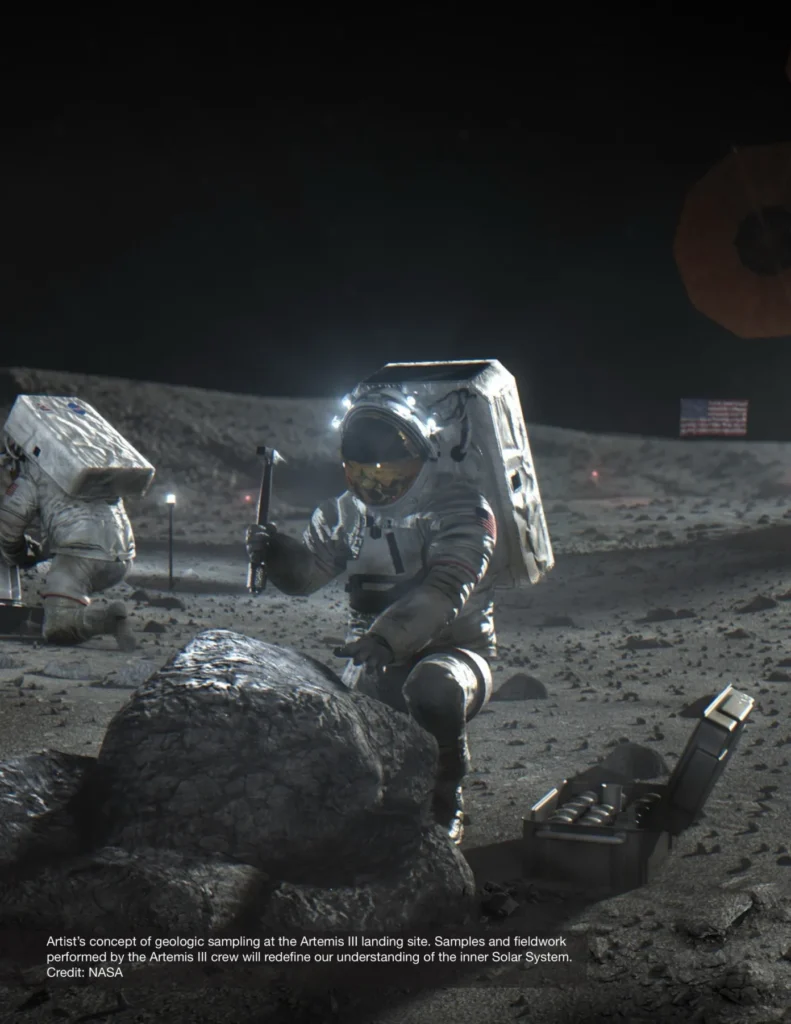
Nelson’s stance reflects the delicate balance between maintaining a competitive edge and prioritizing astronaut safety. While China appears to be pushing the pace, NASA is taking a more measured approach, ensuring the Artemis missions are well-tested and minimize risk to the crew.
Expert Opinions on Artemis 2 mission:
This cautious approach has garnered mixed reactions.
Lori Garver, a former Deputy Administrator of NASA, have expressed concerns that the US might fall behind. “We need a more ambitious timeline,” Garver stated in a recent interview.
Sandra Magnus, a retired NASA astronaut, applaud Nelson’s commitment to safety. “Cutting corners to meet deadlines is never a good idea, especially in spaceflight,” Magnus commented.
Why NASA haven’t visited the Moon since 1969?
The silence on the Moon after 1969 wasn’t for a lack of trying. The monumental cost of the Apollo missions, coupled with a waning Cold War urgency, led to a shift in priorities. Public interest dipped after the initial lunar triumph, and space agencies turned their focus to reusable shuttles and robotic exploration.
However, the landscape is changing! We’re seeing a renewed interest in lunar exploration with programs like NASA’s Artemis 2 mission aiming to return humans to the Moon by 2025. This time, the focus is on establishing a sustainable human presence and potentially using the Moon as a stepping stone for future missions to Mars.
Looking Ahead:
The Artemis program represents a significant step towards establishing a sustained human presence on the Moon. While the competition with China adds an extra layer of intrigue, NASA’s unwavering focus on safety ensures the well-being of its astronauts and the long-term success of this ambitious endeavor.
The upcoming Artemis 2 mission will be a crucial test, paving the way for future crewed lunar landings and potentially, the first human steps on Mars.
Stay ahead of the curve with Tucsonbyte! We’ll keep you updated on the latest tech news, hottest gadgets, and groundbreaking AI advancements. Dive into our Latest News section for insightful articles on cutting-edge developments and emerging trends shaping the tech world.