SpaceX’s Starlink, the ambitious constellation of internet-beaming satellites, has achieved a major milestone: reaching over 100 countries.
This isn’t just a symbolic victory; it signifies a significant leap in Starlink’s mission to bridge the digital divide and deliver high-speed internet access to underserved regions worldwide.
A Global Win for Starlink
Starlink’s rapid expansion across continents is a win on multiple fronts. Here’s why it matters:
Bridging the Digital Divide:
Millions of people, particularly in rural and remote areas, lack access to reliable internet. Starlink’s satellite network bypasses traditional infrastructure limitations, offering connectivity where landlines and fiber optics haven’t reached. This fosters educational opportunities, economic growth, and improved communication in previously unconnected communities.
Increased Competition:
More internet service providers (ISPs) in the market lead to lower prices and better service for consumers. Starlink’s entry challenges existing monopolies, potentially driving down internet costs globally.
Disaster Relief:
Starlink has proven valuable during natural disasters, providing critical communication infrastructure when traditional networks are compromised. Its global reach increases its potential to support disaster-stricken areas around the world.
Top Countries on Starlink’s Map
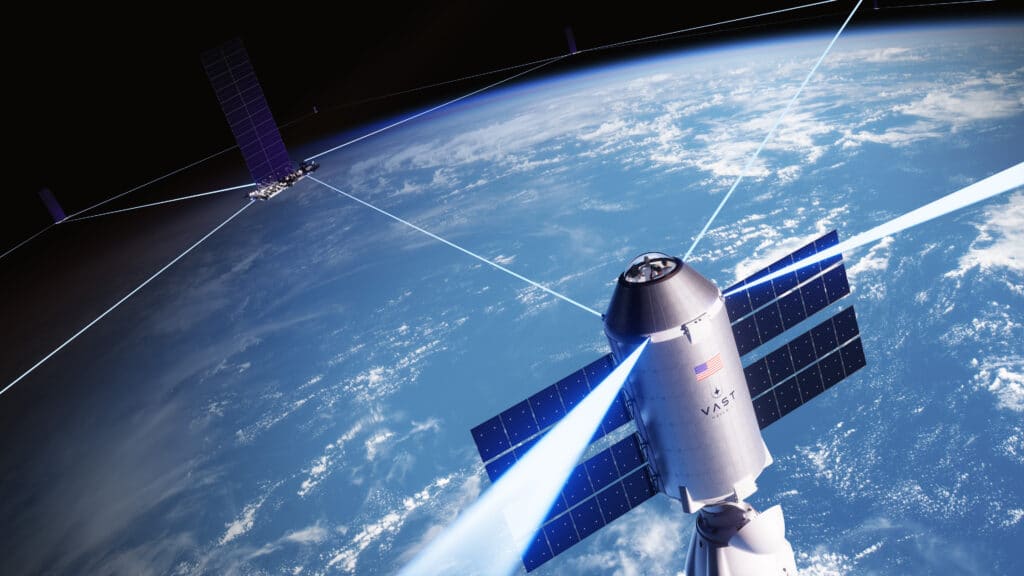
The 100+ nation list includes a diverse mix of developed and developing countries. Here are some notable examples:
- North America: The United States and Canada, where Starlink has seen a significant user base, are crucial markets for sustaining the project.
- Europe: France, Germany, and Italy are early adopters, highlighting the potential for Starlink in densely populated regions.
- Africa: Reaching African nations like Nigeria, South Africa, and Senegal is a major step towards internet equity across the continent.
- Asia: Starlink’s presence in India, Japan, and the Philippines expands internet options for large populations.
- South America: Countries like Brazil and Chile demonstrate Starlink’s growing presence in Latin America.
Starlink’s Stellar Achievements in 2024
Beyond reaching 100 countries, Starlink has achieved several noteworthy feats in 2024:
Increased Constellation Size:
With continuous launches, Starlink has significantly expanded its network of satellites in orbit, improving coverage and capacity.
Improved Speeds:
Recent Starlink updates have shown improved download and upload speeds, making the service more competitive with traditional options.
Beta Testing Success:
The beta testing program has gathered valuable user feedback, allowing Starlink to refine its service and address any initial concerns.
Speeds and Plans: What to Expect
Current Starlink plans offer download speeds ranging from 25 Mbps to 220 Mbps, with upload speeds between 5 Mbps and 30 Mbps. These are expected to improve further as the network expands. Starlink offers tiered pricing based on data usage, with introductory packages attracting early adopters.
A Bright Future for Starlink
With its global reach and continuous advancements, Starlink’s future holds immense potential. Here’s what we can expect:
- Continued Expansion: Reaching additional countries will further bridge the digital divide, bringing internet access to even more underserved regions.
- Advanced Services: Low-latency connections could open doors for real-time applications like cloud gaming and remote surgery in geographically isolated areas.
- Integration with Other Technologies: Imagine seamless integration with self-driving cars or smart city infrastructure, powered by Starlink’s robust network.
- Space Exploration and Beyond: Starlink’s technology could lay the foundation for future internet connectivity projects on the Moon or even Mars.
However, Starlink also faces challenges. Regulatory hurdles in certain countries and concerns about light pollution and potential impacts on astronomy require careful navigation by SpaceX.
Conclusion:
Starlink’s global expansion marks a significant milestone in the quest for universal internet access. Its innovative approach offers a glimpse into a future where connectivity is no longer a privilege but a fundamental right, empowering individuals and communities worldwide. As Starlink continues to grow and evolve, its impact on communication, education, and economic development promises to be profound.
Stay ahead of the curve with Tucsonbyte! We’ll keep you updated on the latest tech news, hottest gadgets, and groundbreaking AI advancements. Dive into our Latest News section for insightful articles on cutting-edge developments and emerging trends shaping the tech world.