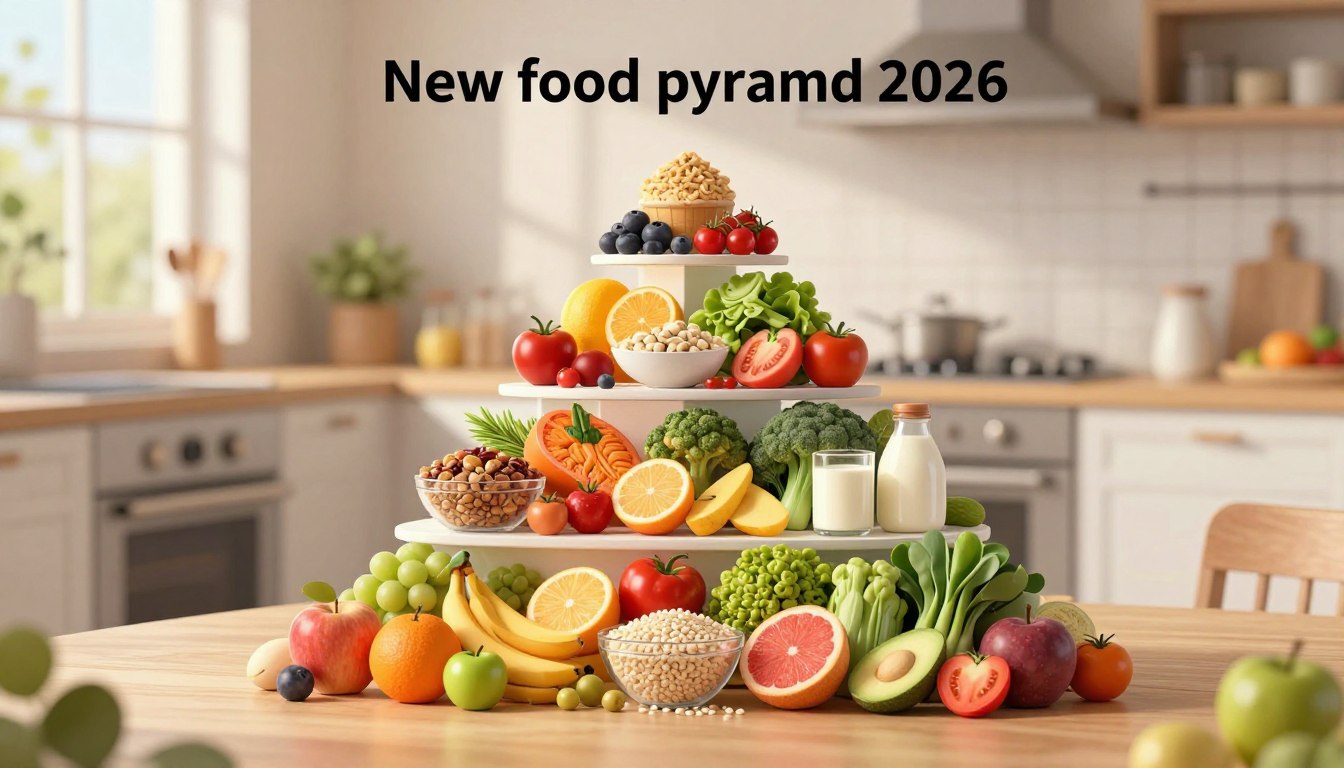
The new food pyramid 2026 is here, guiding us towards better healthy eating habits. It’s designed to help you achieve a balanced diet. This is perfect for those looking to improve their health and wellness.
The 2026 guide brings a new view on nutrition. It uses the latest research to help you eat better. This way, you can build a healthier relationship with food.
Key Takeaways
- Understanding the principles of the new food pyramid 2026
- Implementing healthy eating habits for a balanced lifestyle
- Exploring the significance of a balanced diet in overall wellness
- Practical tips for incorporating the 2026 guide into daily life
- The role of nutrition in maintaining optimal health
The Evolution of Dietary Guidelines
Our understanding of nutrition has grown, leading to changes in dietary guidelines. These updates help us eat healthier. They show how different foods affect our health.
From the Original Food Pyramid to MyPlate
The food pyramid was introduced in 1992 to make nutrition recommendations easy to follow. But, it faced criticism for being too simple. The USDA then brought out MyPlate in 2011.
MyPlate is a clear guide that shows how much of each food group to eat. It’s a big step towards making dietary guidelines easier for everyone.
Why Dietary Guidelines Need Regular Updates
Dietary guidelines must change with new research and consumer needs. As we learn more about food and health, guidelines need to update. This ensures they offer the best advice for healthy eating.
Also, as our eating habits and lifestyles change, guidelines need to keep up. This makes sure the advice is still helpful and relevant.
Understanding the New Food Pyramid 2026
The new food pyramid 2026 is now more in line with the latest health research. It aims to offer a clearer, more practical way to eat healthier.
Key Changes from Previous Guidelines
The new food pyramid 2026 brings several key changes. It puts more focus on:
- Plant-based foods as the base of your diet
- Whole grains over refined grains
- Diverse protein sources, including both plant and animal options
- Healthy fats and oils
These updates reflect a deeper understanding of nutrition and health.
Scientific Basis for the 2026 Updates
The new food pyramid 2026 is based on the latest scientific research. Studies show that eating whole foods like veggies, fruits, whole grains, and lean proteins can lower chronic disease risk. It also considers the environmental impact of food choices, encouraging sustainable eating practices.
How to Read and Interpret the New Pyramid
Reading the new food pyramid 2026 is easy. It’s divided into tiers, with the base showing foods to eat most. Visual cues and simple messaging help you make better food choices. The pyramid encourages variety, balance, and moderation for a healthy diet.
Plant-Based Foods: The Foundation Tier
Plant-based foods are now at the heart of the 2026 food pyramid. This change shows a big shift in what we’re told to eat. It’s all about eating more vegetables, fruits, and whole grains.
Vegetables: Variety, Portions, and Preparation Methods
Vegetables are key in the plant-based diet. The 2026 guidelines say we should eat a variety of vegetables every day. They suggest eating a lot of them, both raw and cooked.
They also tell us to steam and roast vegetables instead of frying. This helps keep more nutrients in our food.
Key vegetable groups to focus on include:
- Leafy greens like spinach and kale
- Cruciferous vegetables such as broccoli and cauliflower
- Root vegetables like carrots and beets
Fruits: Daily Recommendations and Smart Choices
Fruits are also essential in a plant-based diet. The guidelines say we should eat a variety of fruits every day. They recommend eating whole fruits instead of juices.
Some smart choices include:
- Berries for their high antioxidant content
- Citrus fruits for their vitamin C content
- Apples for their fiber content
Practical Tips for Increasing Plant Food Consumption
It’s easy to eat more plant-based foods. Just start by adding vegetables to every meal. Try different ways of preparing them to keep things interesting.
Also, make fruits a part of your snacks. Slowly adding more plant-based foods to your diet can greatly improve your health.
Practical tips include:
- Start the day with a fruit smoothie
- Add vegetables to your omelets and sandwiches
- Snack on raw vegetables with hummus
Whole Grains and Complex Carbohydrates
Whole grains and complex carbohydrates are key parts of the 2026 dietary guidelines. They are packed with fiber, vitamins, and minerals. These foods help keep your digestive system healthy and lower the risk of chronic diseases.
Understanding Whole vs. Refined Grains
Whole grains have the whole kernel: bran, germ, and endosperm. Examples are brown rice, quinoa, and whole wheat bread. Refined grains, however, have been processed to lose the bran and germ, leaving mostly empty calories. Choosing whole grains over refined grains can greatly improve your diet.
Optimal Daily Intake and Serving Sizes
The 2026 guidelines suggest at least half of your grain intake should be whole grains. A serving is one slice of whole grain bread, 1/2 cup cooked brown rice, or 1/2 cup cooked whole grain pasta. Aim for 3-5 servings of whole grains daily.
Easy Grain Swaps for Healthier Eating
Simple swaps can boost your whole grain intake. Swap white rice for brown rice, choose whole grain pasta, and pick whole grain bread over white. Here’s a quick comparison:
| Refined Grain | Whole Grain Alternative | Health Benefit |
|---|---|---|
| White Rice | Brown Rice | Higher in Fiber |
| White Bread | Whole Wheat Bread | More Nutrients and Fiber |
| Regular Pasta | Whole Grain Pasta | Rich in Antioxidants and Fiber |
By following these tips and understanding whole grains and complex carbohydrates, you can make better food choices. These choices will align with the 2026 food pyramid recommendations.
Protein Sources in the 2026 Guidelines
The 2026 guidelines focus a lot on protein sources. Protein is key for our bodies, helping build and fix tissues like muscles and bones. They show us how to mix different protein sources into our meals.
Plant vs. Animal Proteins: Finding Balance
The 2026 guidelines stress the need to balance plant and animal proteins. Plant-based proteins from legumes, nuts, and seeds are full of fiber and vitamins. They have less saturated fats. Meanwhile, animal proteins from meat, fish, and dairy give us essential amino acids and nutrients like vitamin B12.
- Legumes (lentils, chickpeas, black beans)
- Nuts and seeds (almonds, chia seeds, hemp seeds)
- Whole grains (quinoa, farro, bulgur)
- Animal products (lean meats, fish, eggs, dairy)
It’s important to balance these protein sources. The guidelines suggest eating more plant-based proteins but still allow for some animal proteins.
Sustainable Protein Choices
The 2026 guidelines also talk about sustainable protein choices. Choosing proteins that are good for the environment helps our planet. Sustainable protein choices include plant-based options and some animal products made in eco-friendly ways.
- Choose plant-based proteins more often
- Opt for sustainably sourced fish and seafood
- Select meats and dairy products from producers who use environmentally friendly practices
Portion Control and Timing of Protein Intake
Knowing the right portion sizes and when to eat protein is key. The guidelines say to spread out protein intake to keep muscles strong and support health.
Recommended daily protein intake depends on age, sex, weight, and activity level. Adults usually need about 0.8 grams of protein per kilogram of body weight per day, adjusting for individual needs.
By choosing a variety of protein sources, thinking about sustainability, and controlling portions, we can make healthy choices for ourselves and the planet.
Healthy Fats and Oils Recommendations
It’s important to know about healthy fats and oils for good eating habits. The 2026 dietary guidelines help us add these good fats to our meals.
Good Fats vs. Fats to Limit
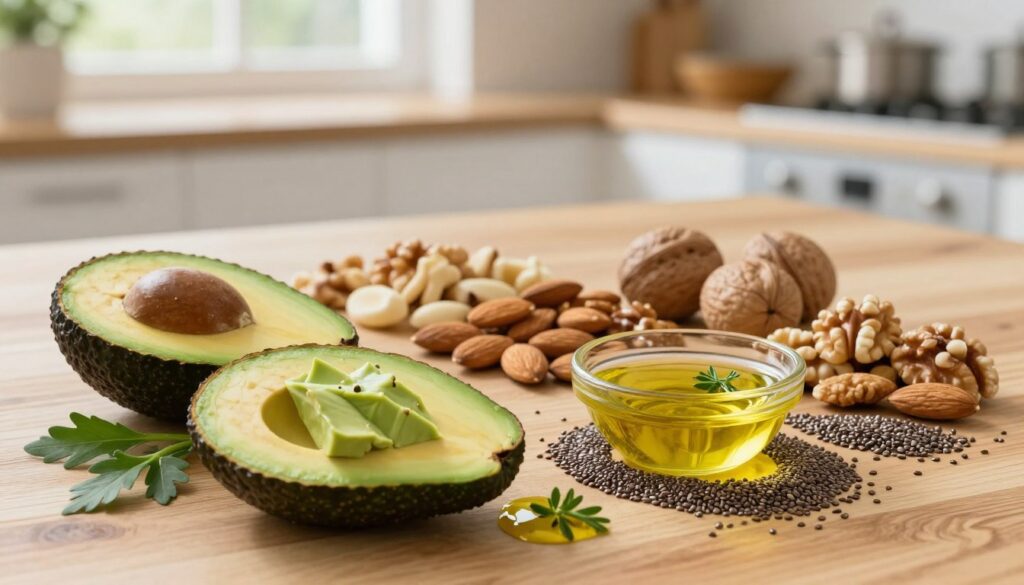
Not all fats are the same. Unsaturated fats, like those in avocados, nuts, and olive oil, are good. They help lower bad cholesterol and reduce inflammation. But, saturated and trans fats, found in processed foods, can harm your heart and should be cut down.
| Types of Fats | Examples | Health Impact |
|---|---|---|
| Unsaturated Fats | Avocados, nuts, olive oil | Lowers bad cholesterol, reduces inflammation |
| Saturated Fats | Butter, full-fat dairy, processed meats | Increases risk of heart disease |
| Trans Fats | Processed foods, fried foods | Significantly increases heart disease risk |
Incorporating Healthy Fats into Meals
Adding healthy fats to your diet is easy. Try avocado slices on your sandwich, use olive oil for cooking, or snack on nuts and seeds. These small steps can greatly improve your health.
Reading Labels: Identifying Hidden Unhealthy Fats
To avoid unhealthy fats, always check food labels. Watch out for “partially hydrogenated” which means trans fats. Also, check the saturated fat content. Choosing products with less of these fats helps keep your diet healthy.
By making smart choices, you can enjoy the health benefits of good fats while avoiding unhealthy ones.
Hydration and Supplementation in the 2026 Guidelines
Hydration and supplementation are key parts of the 2026 dietary guidelines. They aim to boost our overall health. The guidelines offer tips on how to stay hydrated and use supplements wisely.
Water Intake Recommendations
The 2026 guidelines stress the need for enough water. They suggest drinking at least eight glasses a day. This amount can change based on how active you are, the weather, and your health.
Monitoring urine color is a simple way to check if you’re drinking enough water. If your urine is pale yellow, you’re likely hydrated.
Beverages to Enjoy and Limit
Not all drinks are good for you. Water is the best choice. But you can also drink unsweetened tea, coffee, and low-fat milk.
It’s best to limit or avoid sugary drinks, high-caffeine drinks, and those with artificial sweeteners. The guidelines recommend not drinking too much of these.
When Supplements Are Recommended
While food is the best source of nutrients, sometimes supplements are needed. The 2026 guidelines say supplements might be good for people with dietary restrictions or certain health issues. Consulting a healthcare provider before starting any supplement is important.
By following these hydration and supplementation tips, you can improve your health and well-being.
Creating a Balanced Weekly Meal Plan
Creating a balanced weekly meal plan can change your eating habits. The new 2026 food pyramid guides you to make meals that are tasty and healthy.
Step-by-Step Guide to Menu Planning
First, think about what you need and like to eat. Look at your lifestyle, how active you are, and any food limits. Then, focus on plant-based foods as the base of your meals. Here’s a simple guide:
- Determine your daily calorie needs.
- Allocate portions according to the pyramid’s recommendations.
- Plan your meals for the week, including breakfast, lunch, dinner, and snacks.
- Create a grocery list based on your meal plan.
Sample Meal Plans Based on the 2026 Pyramid
Here are some sample meal plans to help you:
| Day | Breakfast | Lunch | Dinner |
|---|---|---|---|
| Monday | Oatmeal with fruits | Grilled chicken salad | Quinoa and vegetable stir-fry |
| Tuesday | Yogurt parfait | Whole grain sandwich | Baked salmon with sweet potatoes |
Grocery Shopping Strategies
Good grocery shopping is key for a great meal plan. Start by creating a smart shopping list from your meal plan. Here are some tips:
Creating a Smart Shopping List
Organize your list by categories like produce, grains, proteins, and dairy. Try to buy whole, unprocessed foods as much as you can.
Navigating Food Labels
Learn to read food labels well. Look for products with less added sugars, less sodium, and healthy fats. Choose items that are full of nutrients and fiber.
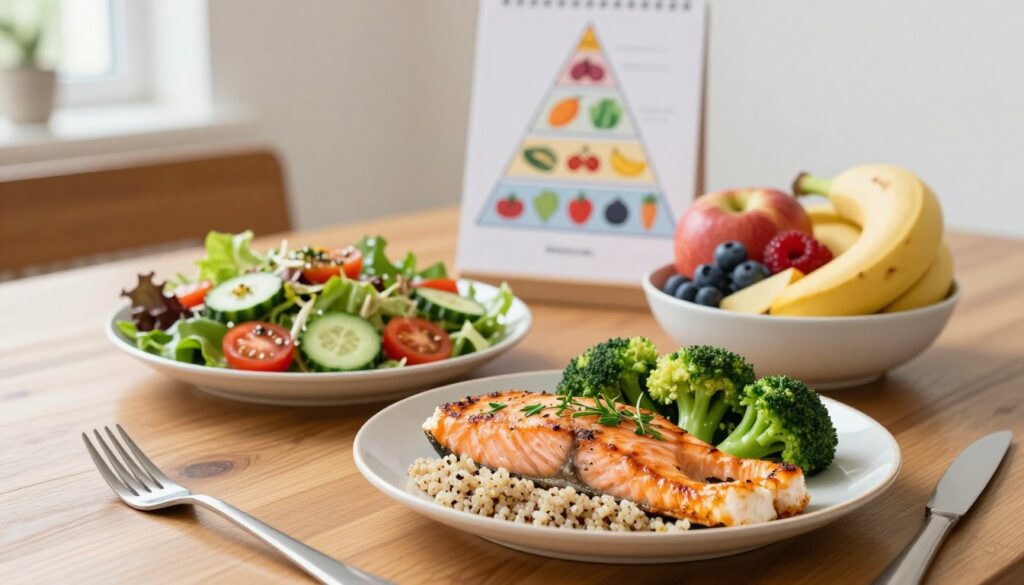
By following these tips, you can make a balanced meal plan that fits the 2026 food pyramid and your taste and lifestyle.
Conclusion: Embracing Healthier Eating Habits
The new food pyramid 2026 is a detailed guide to a balanced diet. It focuses on whole grains, plant-based foods, and healthy fats. It shows the way to better eating habits.
Following these tips can greatly improve your health and happiness. Eating more veggies, fruits, and whole grains can lower disease risks. The new food pyramid 2026 is a great help for those wanting a healthier life.
Using the new food pyramid 2026’s advice, you can make better food choices. This leads to a healthier diet and supports your long-term health goals. It also helps you have a positive view of food.
FAQ
What is the new food pyramid 2026?
How does the new food pyramid 2026 differ from previous guidelines?
What are the recommended daily intake amounts for vegetables and fruits?
How can I incorporate more whole grains into my diet?
What are some sustainable protein choices?
How much water should I drink daily?
Can I rely on supplements instead of whole foods?
How can I create a balanced weekly meal plan?
To get the best results from the new food pyramid 2026, it is helpful to pair these nutritional targets with a structured daily routine. You can calculate your specific hydration needs using our guide on how much water a day to lose weight. Additionally, many people following these guidelines start their day with a weight loss drink in morning to improve nutrient absorption, or adopt the 30/30/30 rule weight loss method to meet their early-morning protein goals.