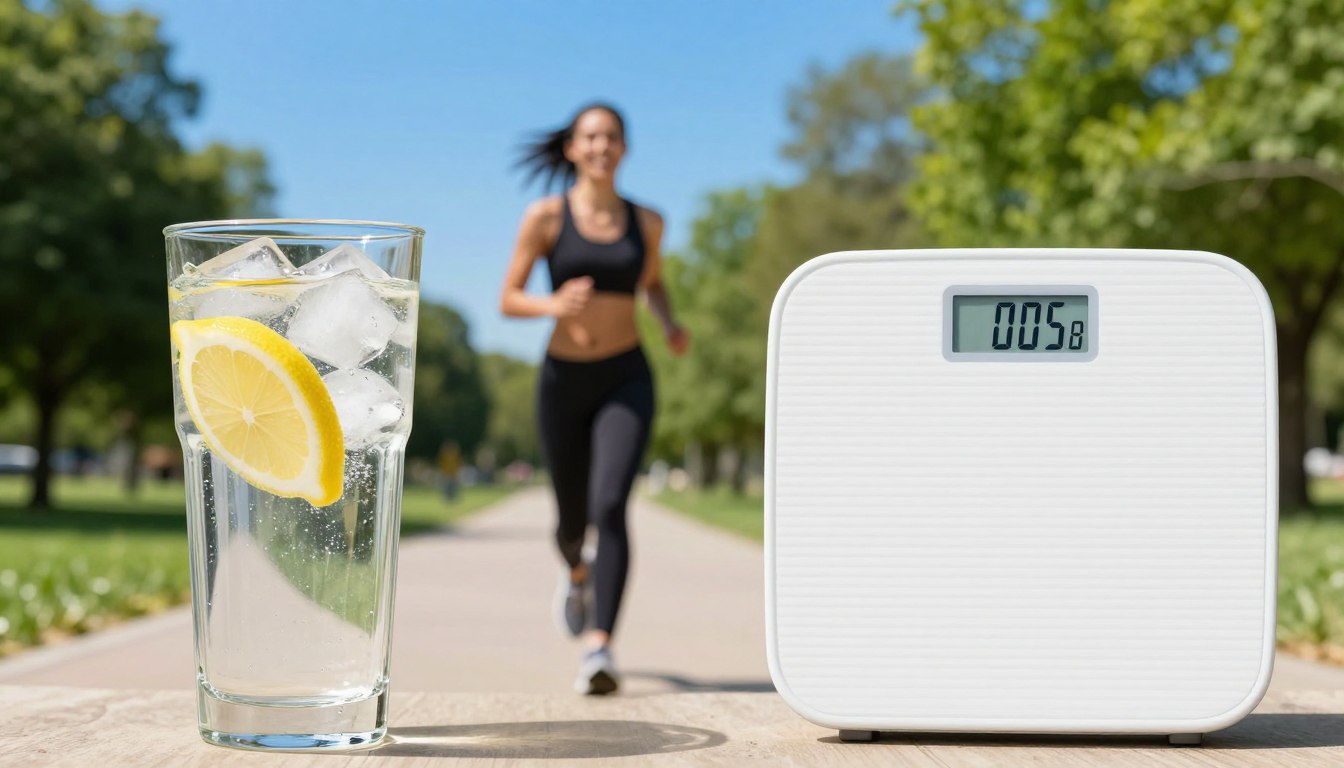
Staying hydrated is key for losing weight. Drinking enough water intake for weight loss helps you shed pounds and stay healthy.
Drinking water helps your body work right. It also boosts your hydration and weight loss efforts. Even a little dehydration can slow down your metabolism, making it tough to lose weight.
Key Takeaways
- Drinking water can boost metabolism and support weight loss.
- Adequate hydration is essential for overall health and well-being.
- Drinking water to lose weight is a simple and effective strategy.
- Even mild dehydration can negatively impact weight loss efforts.
- Staying hydrated can help control hunger and support a healthy diet.
The Science Behind Water and Weight Loss
Water’s role in weight loss is rooted in several key processes. “Adequate hydration is essential for maintaining optimal bodily functions, including those that directly impact weight management,” health experts say.
Water’s Role in Metabolism and Fat Burning
Water is vital for metabolism, helping to keep body temperature stable and transport nutrients and oxygen. Even slight dehydration can slow down metabolism, making weight loss harder. Proper hydration supports the body’s natural fat-burning processes, aiding in weight loss.
Hydration and Hunger Signals
Sometimes, thirst is mistaken for hunger, leading to extra calories. Staying hydrated can help suppress appetite and reduce cravings for unhealthy snacks. Drinking water before meals can also make you feel fuller, possibly lowering calorie intake.
Research on Water’s Impact on Calorie Consumption
Studies show drinking water can help with weight loss by cutting calorie intake.
“Drinking water before meals can lead to significant weight loss,” a study in the Journal of the Academy of Nutrition and Dietetics found.
Understanding hydration’s role in weight loss helps people make better water choices. This can boost their weight loss efforts.
How Much Water a Day to Lose Weight: Evidence-Based Recommendations
There’s no single answer to how much water you should drink daily for weight loss. Several factors can help figure this out. Knowing these factors is key to getting the most from hydration for weight management.
General Guidelines for Daily Water Intake
The 8×8 rule, drinking eight 8-ounce glasses a day, is a common tip. But it doesn’t fit everyone. The Institute of Medicine advises a more tailored approach. They say adults should aim for 2.7 liters (91 ounces) for women and 3.7 liters (125 ounces) for men each day.
Personalized Water Needs Based on Body Weight
Some experts recommend drinking half an ounce of water per pound of body weight. For a 150-pound person, that’s 75 ounces of water daily.
Adjusting Intake for Activity Level and Climate
Activity level and climate also play big roles in how much water you need. Athletes or those who exercise a lot might need more water. People in hot, humid places also need more due to sweating.
The 8×8 Rule: Fact or Fiction?
The 8×8 rule is simple and has been around for a while. But it might not work for everyone. Research shows that people’s needs vary a lot. So, a more personal approach is better for staying hydrated and losing weight.
In summary, finding the right water intake for weight loss depends on several things. These include body weight, how active you are, and where you live. By understanding and using these guidelines, you can adjust your hydration to help with your weight loss goals.
Water Consumption Timing for Maximum Weight Loss Benefits
When you drink water, when matters a lot for losing weight. Drinking at the right times boosts your metabolism and helps you feel full. It also keeps you hydrated.
Pre-Meal Water Strategies
Drinking water before meals can cut down on calories. Aim to drink a glass of water 30 minutes before each meal. This helps control your portions and supports your weight loss goals.
Morning Hydration Benefits
Starting your day with water wakes up your metabolism. It also rehydrates your body after sleep. Morning hydration can reduce hunger in the morning and boost digestive health.
Water Intake Around Exercise
Staying hydrated is key for good workouts. Drinking water before, during, and after exercise boosts performance and helps you recover. Staying hydrated also helps your body burn fat better and reduces muscle soreness.
Evening Hydration Considerations
It’s important to stay hydrated all day, but watch your water intake at night. Limiting water intake close to bedtime helps avoid waking up for bathroom trips.
5 Ways Water Helps You Shed Pounds
Water is key to losing weight, offering more than just hydration. Drinking enough water can really help you shed pounds.
Natural Appetite Suppression
Drinking water can cut down on calorie intake by making you feel less hungry. Sometimes, we think we’re hungry when we’re really thirsty. Staying hydrated can help control hunger signals, making dieting easier.
Calorie-Free Beverage Replacement
Switching to water instead of sugary drinks can save a lot of calories. Water is free of calories, helping you manage your weight better.
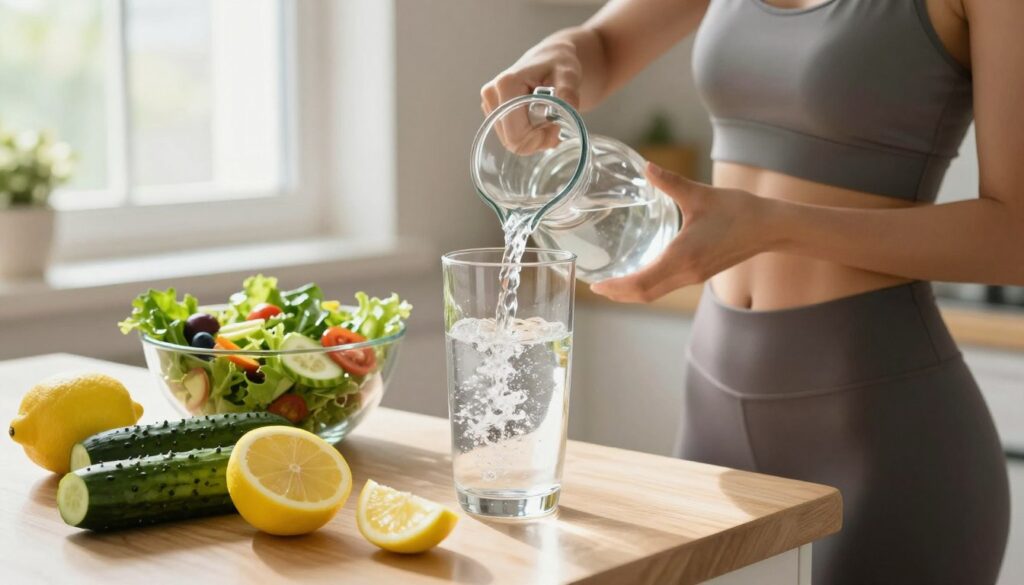
Enhanced Fat Metabolism
Hydration is vital for fat metabolism. Even a little dehydration can slow down how fast you burn fat, making weight loss harder.
Reduced Water Retention
Drinking enough water can also reduce water retention. When your body is well-hydrated, it doesn’t hold onto extra water, helping you lose weight.
Improved Exercise Performance and Recovery
Water is essential for better exercise performance and recovery. It boosts endurance, reduces tiredness, and speeds up recovery, making workouts easier to keep up with.
| Benefit | Description |
|---|---|
| Natural Appetite Suppression | Reduces unnecessary snacking by controlling hunger signals |
| Calorie-Free Beverage Replacement | Reduces daily calorie intake by replacing high-calorie drinks |
| Enhanced Fat Metabolism | Supports the body’s metabolic processes, including fat metabolism |
Signs You’re Not Drinking Enough Water
Knowing when you’re not drinking enough water is key to reaching your weight loss goals. Your body gives out signals that might be easy to overlook or misunderstand.
Physical Symptoms of Dehydration
Dehydration shows up in many ways. Here are some common signs:
- Fatigue and weakness: Feeling very tired or lacking energy.
- Dry mouth and throat: A constant dryness that doesn’t get better with saliva.
- Dark urine: Urine that’s darker than normal, showing concentrated waste.
- Headaches: Dehydration can make headaches worse or start them.
How Dehydration Impacts Weight Loss Efforts
Dehydration can really slow down your weight loss. Not drinking enough water makes your metabolism slower. This makes it harder to lose weight. Also, dehydration can make your workouts less effective.
Mistaking Thirst for Hunger
Many people confuse thirst with hunger. When you’re dehydrated, your body might feel like it’s hungry. This can lead to eating more calories than you need. Drinking enough water can help avoid these false hunger signals and support a healthier diet.
Creative Ways to Increase Your Daily Water Intake
It can be hard to drink more water each day. But, with the right strategies, it can become a habit that helps with weight loss. Adding fun to your water routine can make it more enjoyable and keep you on track.
Infused Water Recipes for Weight Loss
Infusing water with fruits, veggies, or herbs is a refreshing way to drink more. Here are some tasty recipes:
- Lemon and mint for a refreshing twist
- Cucumber and lime for a light, crisp taste
- Strawberry and basil for a sweet and savory combination
- Orange and ginger for a zesty and invigorating flavor
These flavors not only taste great but also offer health benefits.
Smart Water Bottles and Tracking Apps
Technology can help you stay hydrated. Smart water bottles and apps track your water intake. They remind you to drink more. Here are some top picks:
- Hydro Coach: A smart water bottle that tracks your intake and syncs with your phone
- Waterlogged: An app that allows you to log your water consumption and set personalized goals
- Plant Nanny: An app that gamifies hydration by letting you grow virtual plants as you drink water
Setting Water Consumption Goals
Setting goals can motivate you to drink more water. Try to drink a certain amount at specific times. For example, drink a full glass when you wake up, before meals, and before bed.
Creating Hydration Habits That Stick
To make drinking water a habit, add it to your daily routine. Carry a water bottle everywhere and drink at the same times each day. This will become automatic, helping you stay hydrated and support your weight loss.

Common Myths About Water and Weight Loss
Many people think drinking water helps with weight loss, but some claims are not true. Drinking water is often suggested for losing weight, but some of these benefits are overstated or false.
Ice Water and Calorie Burning
Some believe drinking ice water boosts calorie burning. It’s true that warming ice water uses energy, but it’s not much. A study in the Journal of Clinical Endocrinology and Metabolism showed drinking 500 ml of ice water increased calorie burning by 30% for about 30 minutes. This burned an extra 17.5 kcal.
Water Flushing Fat Myth
Many think drinking water helps “flush out” fat. But, fat loss comes from metabolic processes, not water. Water helps with digestion and can reduce hunger, but it doesn’t remove fat.
| Myth | Fact |
|---|---|
| Drinking ice water burns a significant number of calories. | The calorie-burning effect of ice water is minimal, approximately 17.5 kcal per 500 ml. |
| Water “flushes out” fat. | Fat loss occurs through metabolic processes, not by drinking water. |
More Water Always Being Better
While staying hydrated is key, too much water doesn’t help with weight loss. Drinking too much can cause hyponatremia, a condition of low sodium levels.
Detox Waters and Weight Loss Claims
Some say “detox waters” or infused waters help with weight loss. These waters are tasty and hydrating, but there’s little scientific proof they help with weight loss.
Knowing the truth about these myths helps people make better choices about staying hydrated and losing weight.
Overcoming Challenges to Drinking More Water
Drinking enough water is key for weight loss, but many obstacles can get in the way. To hit the daily water goal, we must tackle these challenges directly.
Solutions for “I Don’t Like the Taste”
If plain water doesn’t appeal, there are other options. Adding fruits, cucumbers, or mint to water can make it tastier. Here are some tasty water recipes:
- Lemon and ginger
- Cucumber and mint
- Strawberry and basil
These flavors can turn drinking water into a fun activity.
Managing Frequent Bathroom Trips
Drinking more water might mean more trips to the bathroom. But, your body gets used to it, and the problem usually goes away. To help, try drinking water at different times of the day.
Remembering to Drink Throughout the Day
Reminders or a hydration app can keep you on track. Also, having a water bottle with you is a constant reminder to drink up.
Staying Hydrated While Traveling
Travel can mess with our hydration routine. Bring a refillable water bottle and check the water quality where you’re going. Drinking water regularly, even when you’re not thirsty, is also important.
With these tips, you can beat common hurdles and stay hydrated. This helps a lot with weight loss efforts.
Special Considerations for Different Populations
It’s important to know how much water different groups need. Things like how active you are, your age, where you live, and your health can change your water needs.
Water Needs for Active Individuals
People who are very active, like athletes, need a lot of water. Drinking more water before, during, and after exercise helps keep you hydrated and aids in weight loss. Active folks should drink 17-20 ounces of water 2-3 hours before they start exercising. Then, drink another 8-10 ounces 20-30 minutes before exercising.
Hydration for Older Adults Trying to Lose Weight
Older adults might find it harder to stay hydrated. They should drink water all day, even if they don’t feel thirsty. Checking their urine can help them know if they’re drinking enough.
Water Intake During Different Seasons
The weather can change how much water you need. In hot, humid weather, or during summer, you lose more water through sweat. You might need to drink more water. On the other hand, dry or cold weather can also make you lose more water, so you might need to drink more too.
Medical Conditions That Affect Hydration Needs
Some health issues, like diabetes or heart failure, can make it hard to stay hydrated. People with these conditions should talk to their doctor about how much water they should drink. This is especially important if they’re trying to lose weight.
Beyond Weight Loss: Additional Benefits of Proper Hydration
Drinking enough water is key for good health, offering many benefits beyond just losing weight. While many focus on water for weight loss, its benefits reach far. They touch many areas of our health and happiness.
Skin Health Improvements
Drinking water can greatly improve your skin. Hydration keeps skin elastic and smooth, making wrinkles less visible. A study found that enough water is vital for healthy skin, improving its elasticity and reducing aging signs.
This shows how important hydration is for looking young.
Cognitive Function Enhancement
Good hydration is also crucial for your brain. Even a little dehydration can lead to fatigue, trouble focusing, and memory issues. Drinking enough water can enhance your concentration and mental sharpness.
Digestive Health Benefits
Water is essential for a healthy gut. It helps avoid constipation by making stool softer and bowel movements regular. This can make your digestive system healthier and reduce digestive problems.
Kidney Function Support
Our kidneys need water to work right. Drinking enough water helps kidneys remove waste and toxins from our bodies. This lowers the risk of kidney stones and other kidney issues.
Energy Level Optimization
Even a small amount of dehydration can lower your energy. Drinking enough water can increase energy and reduce tiredness. This makes it easier to do daily tasks and stay active.
Conclusion
Drinking enough water is a simple yet effective way to support your weight loss journey. It boosts your metabolism, suppresses hunger, and enhances your overall well-being. By understanding the importance of hydration, you can make a big difference.
Finding a hydration routine that works for you is key. Whether you’re trying to lose weight or maintain a healthy lifestyle, hydration is crucial. So, choose water as your go-to drink and see the positive effects on your body and mind.
By making a few simple changes, like drinking water before meals and staying hydrated during exercise, you can use water to support your weight loss goals. With the right approach, you can become a healthier, more balanced version of yourself.
FAQ
How much water should I drink daily to lose weight?
Can drinking water before meals help with weight loss?
Is the 8×8 rule a fact or fiction?
Can I drink too much water?
How can I make drinking water more enjoyable?
Are there any medical conditions that affect hydration needs?
Can drinking water improve my exercise performance?
How does hydration affect my skin health?
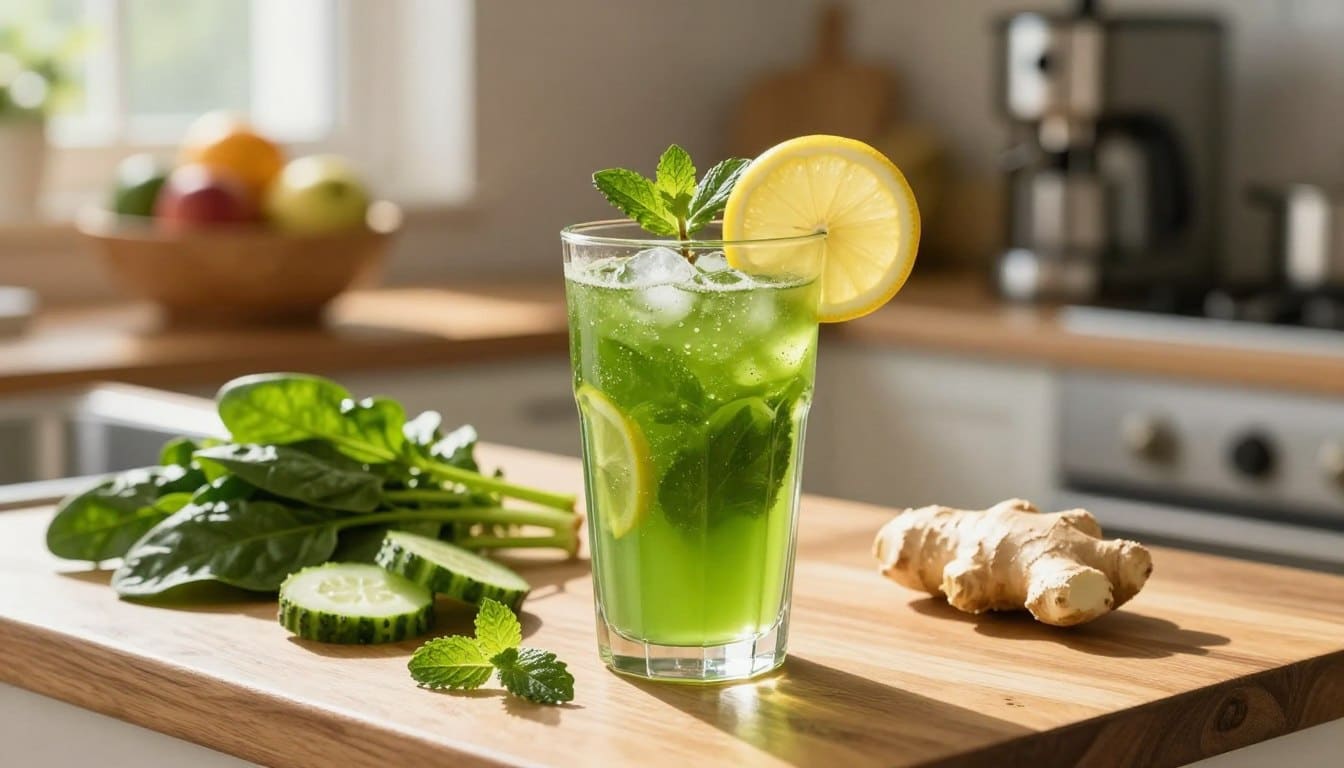
Furthermore, you can enhance your metabolic rate by using your water as a base for more targeted strategies. Instead of plain water, many successful dieters transition into their daily hydration goal by consuming a weight loss drink in morning, which adds thermogenic ingredients to your routine.
By following these combined methods and staying within the updated guidelines of the new food pyramid 2026, you turn simple hydration into a comprehensive, long-term health transformation that goes beyond just the numbers on the scale.


1 COMMENTS