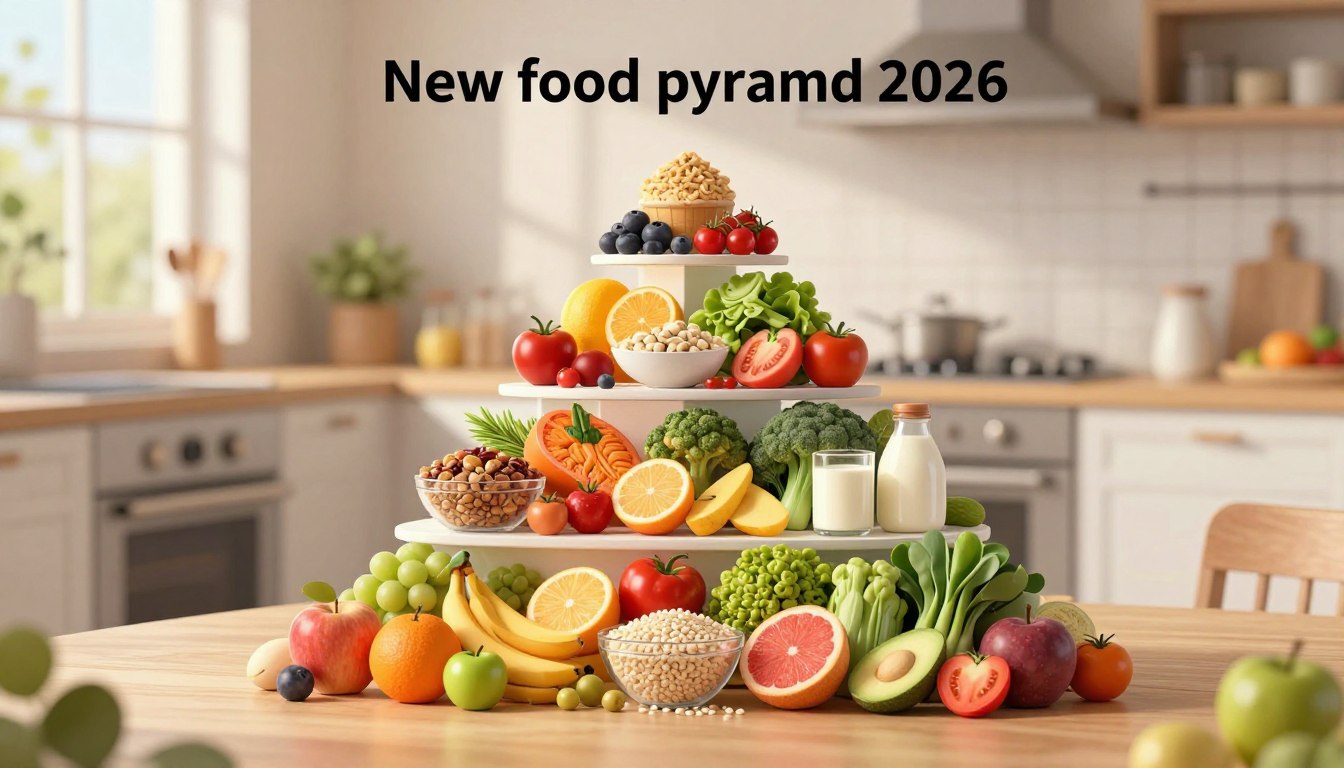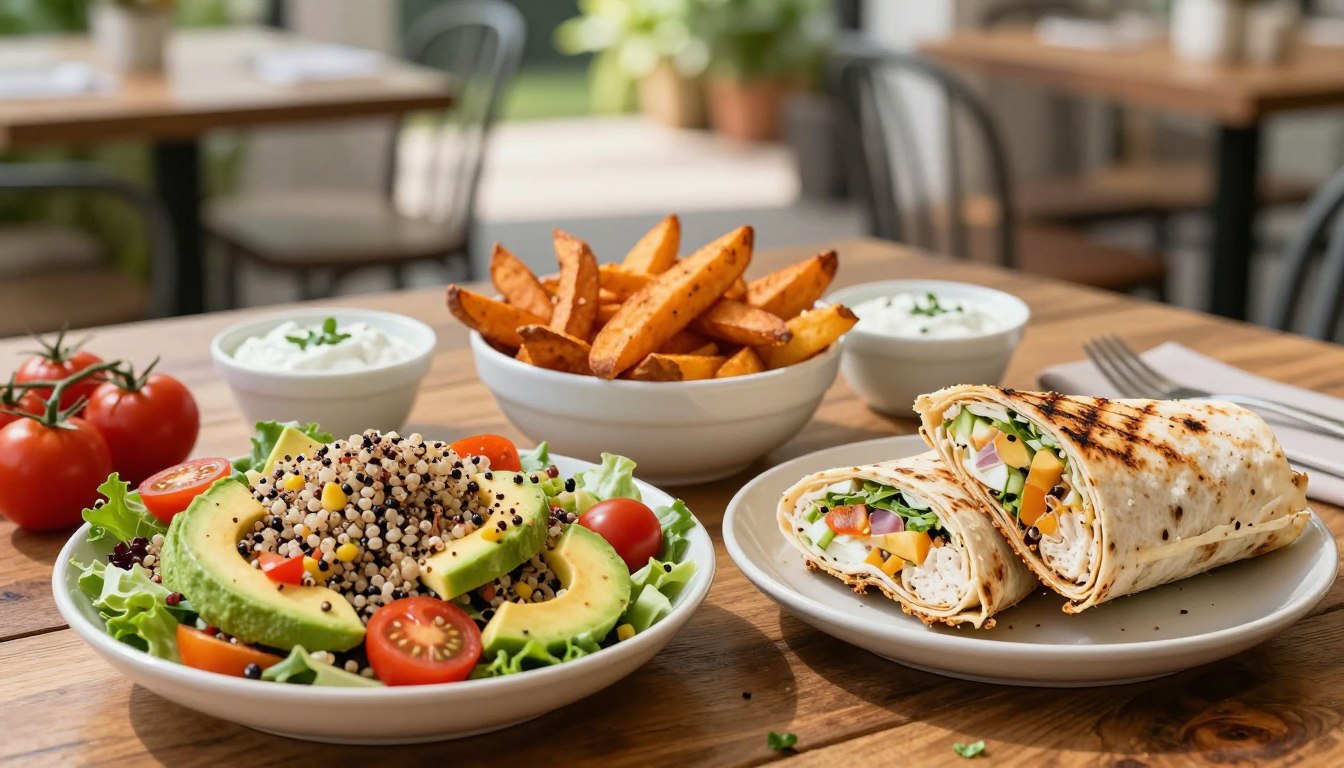
The fast food industry is undergoing a significant transformation in 2026. This change is driven by consumer demand for nutritious and sustainable options. As a result, the industry is moving towards healthier alternatives. These options cater to the growing health-conscious consumer base.
This shift is evident in the emergence of healthy fast food options. These options not only tantalize taste buds but also provide a guilt-free dining experience. Consumers are now seeking out fast food that is both convenient and nutritious.
Key Takeaways
- The fast food industry is evolving to meet the demand for healthier options.
- Consumers are driving the shift towards nutritious and sustainable fast food.
- Healthy fast food options are becoming increasingly popular.
- The trend is expected to continue, with more healthy options emerging.
- Fast food chains are adapting their menus to cater to health-conscious consumers.
The Transformation of Fast Food in 2026
In 2026, the fast food industry is undergoing a significant transformation. Health-focused menu innovations are at the forefront. This shift is driven by evolving consumer preferences and a growing need for nutritious, wholesome meals.
Health-Focused Menu Innovations
Fast food chains are now embracing nutrient-dense ingredients and innovative cooking methods. They’re creating healthier menu options. Many chains have switched to grilling and baking instead of frying. This move reduces calorie and fat content.
- Increased use of plant-based proteins
- Introduction of salads and fresh fruit options
- Development of whole grain and low-carb menu items
Consumer Demand Driving Healthier Choices
The move towards healthier fast food is largely driven by consumer demand. People want clear labeling and detailed nutritional information. This push for transparency is compelling chains to be more accountable.
“The demand for healthy fast food is no longer a niche market; it’s a mainstream expectation.”
This change is evident in menus, with chains offering a range of healthy options. They aim to cater to various dietary needs.
Navigating Nutritional Information in Modern Fast Food
Grasping nutritional content is crucial for making smart choices at fast food joints in 2026. As people focus more on health, fast food establishments are stepping up. They now offer detailed nutritional info.
Understanding Digital Nutrition Labels
Many fast food chains now use digital nutrition labels. These can be found in their mobile apps or on their websites. They give a detailed look at what’s in each menu item, like calories, macronutrients, and micronutrients.
For example, a well-known fast food chain might show the following for their signature burger:
| Nutrient | Amount per serving | % Daily Value |
|---|---|---|
| Calories | 540 | 27% |
| Total Fat | 29g | 45% |
| Sodium | 1040mg | 43% |
Decoding Health Claims on Menus
Fast food places often highlight health claims for their items. But it’s key to know what these claims really mean. For instance, “low-fat” doesn’t always mean it’s good for you.
Artificial Ingredients vs. Clean Labels
More and more, people are shunning artificial additives for clean labels. Clean labels mean products with natural ingredients and less processing. When picking fast food, opt for items with clean labels for a healthier choice.
By getting the hang of digital nutrition labels and understanding health claims, we can make better choices at fast food places. This knowledge lets us pick options that fit our dietary needs and health goals.
Top Healthy Fast Food Options in 2026
The year 2026 heralds a new era in healthy fast food, offering both nutrition and taste. Consumers now have a plethora of quick, healthy meal options at their disposal.
Chipotle’s New Superfood Bowls
Chipotle has unveiled a range of superfood bowls, brimming with nutrients. These bowls start with a base of brown rice or greens. They’re topped with proteins like grilled chicken or steak. Finishing touches include superfoods like quinoa, kale, and turmeric-spiced vegetables.
Nutritional Highlights: These bowls are high in fiber, rich in antioxidants, and a good source of protein.
Sweetgreen’s Protein-Enhanced Menu
Sweetgreen has upgraded its menu with protein-rich options, appealing to fitness enthusiasts and health-conscious individuals. Their salads now feature a variety of proteins, from grilled chicken to salmon, all sustainably sourced.
Protein Options: Grilled chicken, salmon, tofu, and hard-boiled eggs are available.
Chick-fil-A’s Grilled Selections
Chick-fil-A has broadened its grilled menu, offering more variety and flavor. The menu includes grilled chicken sandwiches and salads, all crafted with high-quality ingredients and minimal processing.
Nutritional Breakdown
| Menu Item | Calories | Protein | Fat |
|---|---|---|---|
| Chipotle Superfood Bowl | 400 | 30g | 15g |
| Sweetgreen Protein Salad | 350 | 35g | 10g |
| Chick-fil-A Grilled Chicken Sandwich | 300 | 30g | 5g |
Best Breakfast Choices at Major Chains
Major fast food chains are transforming breakfast in 2026 with menus that blend nutrition with convenience. This change is driven by the growing demand for healthier options that fit a busy lifestyle.
Protein-Forward Morning Options
Starbucks is at the forefront with its protein-rich morning offerings. Their new menu features egg bites with fillings like spinach and feta or cheddar and bacon. These options provide a protein-packed start to the day. A recent study found that adding protein to breakfast boosts satiety and energy levels.
“The key to a satisfying breakfast is balancing protein, healthy fats, and complex carbohydrates.” – Nutrition Expert
Revamped Breakfast Menu
McDonald’s has updated its breakfast menu with items like egg white and avocado toast. This dish combines the protein of egg whites with the healthy fats of avocado on whole grain bread.
Whole Grain Innovations
Panera is innovating with whole grain options, offering breakfast sandwiches on whole grain bread and pastries made with ancient grains. Their commitment to quality is clear in their menu.
| Chain | Breakfast Item | Nutritional Highlight |
|---|---|---|
| Starbucks | Egg Bites | High in Protein |
| McDonald’s | Egg White & Avocado Toast | Rich in Healthy Fats |
| Panera | Whole Grain Breakfast Sandwich | Complex Carbohydrates |
Healthiest Lunch and Dinner Selections
In 2026, finding the healthiest fast food options for lunch and dinner is crucial. Major chains have made big strides in offering nutritious meals. This meets the growing demand for healthy eating.
Subway’s Farm-to-Table Initiative
Subway has made a big leap towards healthier eating with its Farm-to-Table initiative. This program uses fresh, locally sourced ingredients in their menu items. It ensures customers get the most nutritious options available.
By focusing on high-quality produce, Subway offers sandwiches and salads that are both delicious and nutritious. These meals are packed with essential vitamins and minerals.
Taco Bell’s Power Menu Evolution
Taco Bell has revamped its Power Menu to include more nutritious options. The menu now features lean proteins, whole grains, and a variety of vegetables. This makes it easier for customers to choose healthier options.
The evolution of Taco Bell’s menu is a direct response to consumer demand for healthier fast food. It shows the brand’s commitment to meeting these needs.
Wendy’s Fresh Alternatives
Wendy’s has introduced fresh alternatives to their menu. They focus on grilled chicken options and salads with various toppings. This caters to health-conscious consumers looking for quick, nutritious meals.
Calorie-to-Nutrient Ratio Analysis
When evaluating the healthiness of these options, the calorie-to-nutrient ratio is key. This involves analyzing the nutritional value of each meal against its calorie count. It helps consumers make informed choices about their fast food.
By opting for meals with a better calorie-to-nutrient ratio, consumers can choose options that provide more nutritional benefits. This keeps calorie intake in check.
Plant-Based Revolution in Fast Food
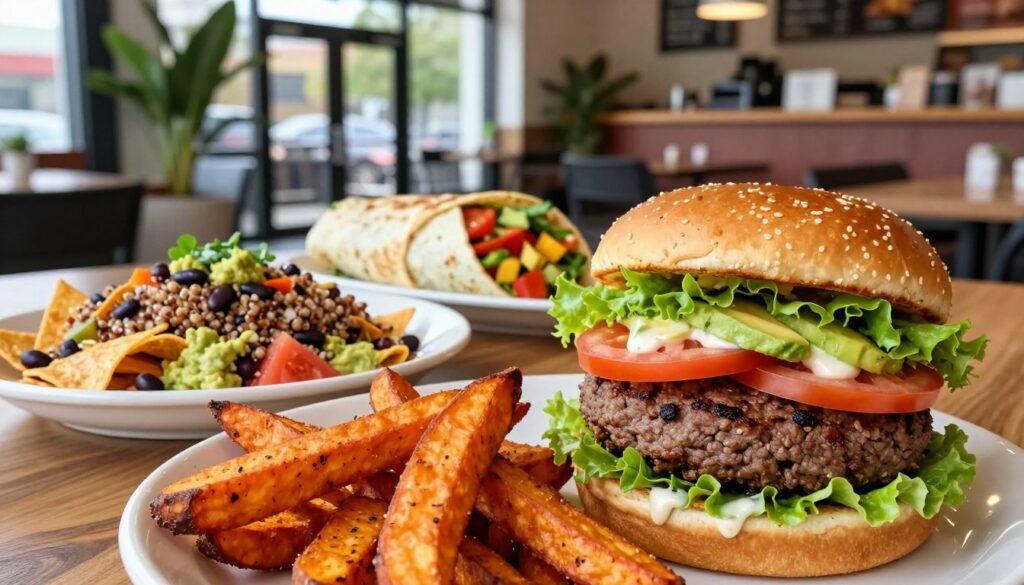
The rise of plant-based options is transforming fast food. Consumers now seek healthier, more sustainable choices. Fast food chains are adapting by introducing innovative menu items.
Beyond Meat’s Next Generation Products
Beyond Meat leads the plant-based movement with its next-generation products. These products boast improved taste and texture, attracting a wider audience. Fast food chains are adding Beyond Meat to their menus, offering more plant-based protein options.
Impossible Foods in Fast Food Chains
Impossible Foods has also made a significant impact in fast food. Their Impossible Burger is now found in many major chains. It provides a vegan-friendly alternative that rivals traditional burgers in taste. This partnership has helped make plant-based eating more mainstream.
Fully Vegan Fast Food Concepts
The success of plant-based options has spawned fully vegan fast food concepts. These restaurants focus on entirely plant-based menus, meeting the increasing demand for vegan fast food. They are changing the fast food scene with their creative, sustainable offerings.
The plant-based revolution in fast food is more than a trend; it’s a cultural shift towards sustainability and health. As consumer demand for plant-based options grows, the industry will likely introduce even more innovative products.
Low-Carb and Keto-Friendly Selections
Major fast food chains are now catering to the growing demand for low-carb and keto-friendly foods. They offer a variety of suitable options. This shift makes it easier for those following these diets to find healthy meals.
Bunless Burger Options at Major Chains
Fast food chains have introduced bunless burgers as a low-carb alternative. For instance, Five Guys and Shake Shack now offer burgers wrapped in lettuce. This simple change greatly reduces the carb content of the meal.
Lettuce-Wrapped Alternatives
Lettuce-wrapped options are not just for burgers. Some chains offer lettuce-wrapped sandwiches and wraps. These provide a fresh, crunchy alternative to traditional bread. They are especially popular among those on a keto diet.
High-Protein, Low-Carb Bowls
High-protein, low-carb bowls are also available at many fast food chains. These bowls feature a protein source like grilled chicken or steak. They are topped with vegetables and a low-carb sauce. These bowls are both filling and meet low-carb dietary needs.
The demand for low-carb and keto-friendly options is increasing. It’s likely that fast food chains will continue to innovate and expand their menus. This trend benefits consumers seeking healthy, convenient meal options that align with their dietary needs.
Healthy Fast Food for Families and Children
Healthy eating for families has become more accessible, thanks to major fast food chains introducing nutritious meal options. These changes cater to parents’ increasing demand for healthier choices that remain convenient. This shift is a response to the need for balanced meals that don’t sacrifice taste or ease of preparation.
Nutritionally Balanced Kids’ Meals
Fast food chains are now offering kids’ meals that are both appealing and nutritious. For example, McDonald’s Happy Meal now includes grilled chicken, apple slices, and low-fat milk. These options ensure kids get a balanced mix of nutrients in their meals.
Family Meal Deals with Healthier Sides
Family meal deals are evolving to include healthier sides. Chains like Subway and Chick-fil-A now offer carrot sticks, fruit cups, and salads. These additions allow families to enjoy meals together without compromising on nutritional value.
Sugar and Sodium Reduction in Children’s Options
Fast food chains are also reducing sugar and sodium in kids’ meals. For instance, Taco Bell has pledged to lower sodium in their kids’ meals by introducing lower-sodium alternatives. This move aligns with the growing trend of healthier options in fast food.
| Fast Food Chain | Kids’ Meal Options | Healthier Sides |
|---|---|---|
| McDonald’s | Grilled Chicken, Apple Slices | Salad, Fruit Cups |
| Subway | Turkey Sandwich, Yogurt | Carrot Sticks, Apple Slices |
| Chick-fil-A | Grilled Chicken Nuggets | Fresh Fruit Cup, Side Salad |
By implementing these changes, fast food chains are making it simpler for families to choose healthier options when dining out. This shift towards healthier choices is a significant step towards promoting well-being in the fast food industry.
Personalized Health Options Through Technology
Technology’s integration into fast food is revolutionizing personalized health options. As consumers seek healthier choices, fast food chains are embracing tech to meet these demands. This shift caters to individual health needs.
AI-Driven Menu Recommendations
Artificial intelligence is transforming how fast food is ordered. For example, McDonald’s is testing AI-powered drive-thrus. These systems suggest meals based on a customer’s past orders.
Allergy and Dietary Restriction Filtering
Technology aids those with dietary restrictions by offering allergen and diet filters. Subway has introduced digital menus. These menus let customers filter options for gluten-free, vegan, and more.

Nutrition Tracking Integration
Fast food chains are adding nutrition tracking to their apps. This lets customers monitor their daily intake. Panera Bread offers a feature to track nutritional information. It helps customers make better choices.
Eco-Conscious and Sustainable Fast Food
As consumers grow more environmentally conscious, the fast food industry is adapting. It’s shifting towards sustainability due to demand for greener options. This change prompts fast food chains to reevaluate their operations and menus.
Reducing Environmental Impact
One major step is the use of carbon footprint labeling. This lets consumers make choices based on environmental impact. Brands like Sweetgreen and Chipotle lead by providing clear ecological data on their meals.
Regenerative Agriculture
Adopting regenerative agriculture partnerships is another key move. Fast food chains partner with farmers who use regenerative methods. This reduces environmental impact, improves soil health, and boosts biodiversity. McDonald’s is exploring such partnerships for sustainable ingredient sourcing.
Minimizing Waste
Zero-waste packaging initiatives are also on the rise. Fast food chains are innovating to cut single-use plastics and packaging waste. Starbucks is testing reusable cups, and Taco Bell is looking into compostable packaging. These steps are vital for reducing the industry’s ecological footprint.
The fast food industry’s evolution hinges on embracing eco-conscious and sustainable practices. By using carbon footprint labeling, regenerative agriculture, and zero-waste packaging, chains can greatly lessen their environmental impact.
“The future of fast food is not just about what’s on the menu, but how it’s produced, packaged, and consumed.” –
Fast Food Subscription Models for Health-Conscious Consumers
Subscription models in the fast food sector are transforming how we get healthy meals on the move. This trend meets the increasing need for nutritious food that’s still convenient. It’s a game-changer for those who want to eat well without sacrificing ease.
Weekly Healthy Meal Plans
Fast food chains are now offering weekly healthy meal plans through their subscriptions. These plans aim to provide balanced nutrition, catering to various dietary needs. For example, Chipotle and Sweetgreen lead with meal plans rich in proteins, vegetables, and whole grains.
Nutritionist-Designed Subscription Boxes
Some fast food companies are pushing the envelope by adding nutritionists to their subscription box designs. These boxes are customized for individual health goals, like weight management or muscle gain. Nutritionist-designed meals ensure subscribers get healthy, convenient food choices.
Loyalty Programs with Health Incentives
Loyalty programs are evolving to include health incentives, nudging customers towards better choices. By rewarding healthy options, fast food chains promote wellness. This not only benefits the consumer but also builds brand loyalty.
In summary, fast food subscription models are significantly advancing in offering healthy options. They provide weekly meal plans, nutritionist-designed boxes, and loyalty programs with health rewards. This shift caters to the health-conscious consumer, making the fast food industry more adaptable and appealing.
Conclusion: Balancing Convenience and Health in 2026
The fast food industry has seen a major shift in 2026, focusing on healthy options. Now, consumers can find nutritious meals at places like Chipotle, Sweetgreen, and Chick-fil-A. These chains offer convenient, health-conscious choices.
Plant-based, low-carb, and keto-friendly options are becoming more common. Technology also allows for personalized health choices. Brands are adopting eco-friendly practices, like carbon footprint labels and zero-waste packaging.
Consumers are key in pushing the fast food industry towards healthier choices. By opting for quick, nutritious meals, we support our health and values. This choice drives the industry to meet our demands for healthier options.
The future of fast food is bright, with a balance between convenience and health. As consumers, we influence this balance by making smart choices. We should demand more from our favorite brands, shaping the industry’s direction.
FAQ
What are the healthiest fast food options available in 2026?
In 2026, the healthiest fast food options include Chipotle’s superfood bowls and Sweetgreen’s protein-rich menu. Chick-fil-A’s grilled options also stand out, offering a mix of nutrients and taste.
How can I navigate nutritional information at fast food chains?
To find nutritional information, check for digital labels on menus or apps. Be cautious of health claims and understand the difference between artificial and clean labels. This knowledge aids in making better choices.
Are there healthy breakfast options at major fast food chains?
Yes, chains like Starbucks, McDonald’s, and Panera have introduced healthy breakfasts. They offer protein-rich morning meals, updated breakfast menus, and innovative whole grain options.
What are some low-carb and keto-friendly fast food options?
For those following low-carb or keto diets, look for bunless burgers and lettuce-wrapped sandwiches. Many fast food places also offer high-protein, low-carb bowls.
How is technology being used to enhance healthy fast food options?
Technology aids in healthy fast food choices through AI-driven menu suggestions and dietary filtering. It also helps track nutrition, making it simpler to pick healthier options.
Are there eco-conscious and sustainable fast food options?
Yes, many fast food chains are embracing eco-friendly practices. They use carbon footprint labels, partner with regenerative agriculture, and aim for zero-waste packaging.
What are some healthy fast food options for families and children?
For families and kids, look for nutritionally balanced kids’ meals and family deals with healthier sides. Chains are also reducing sugar and sodium in children’s options.
Are there fast food subscription models that cater to health-conscious consumers?
Yes, some chains offer subscription services. These include weekly meal plans, nutritionist-designed boxes, and loyalty programs with health rewards.
How can I make healthier choices when eating fast food?
To choose healthier, be aware of nutritional data and opt for clean labels. Consider low-carb, keto, or plant-based options to make better decisions.
Quick 2026 Health Guide:
-
30/30/30 Weight Loss Rule – Why 30 grams of protein within 30 minutes of waking is a 2026 game-changer.
-
5 Morning Fat-Burning Drinks – The best functional beverages to pair with your healthy morning routine.
-
2026 Food Pyramid Guide – How the new guidelines prioritize Fast Good over Fast Food.